https://www.circlewood.online/
https://www.circlewood.online/earthkeepers
GOD IN CREATION, WITH JEFF JOHNSON
BECOMING ROOTED: RANDY WOODLEY

The Air We Share: On Breathwork, with Christine Sine and Jason Lyle | Ep. 159 – Earthkeepers: A Circlewood Podcast on Creation Care and Spirituality
- The Air We Share: On Breathwork, with Christine Sine and Jason Lyle | Ep. 159
- Combating Hunger through Sustainable Farming, with Abram Bicksler of ECHO | Ep. 158
- The Nature Embedded Mind: Revolutionary Rethinking for Mental Health Practices, with Julie Brams | Ep. 157
- Mercy: Resisting Despair and Holding Hope in Hard Times, with Wes Willison | Ep. 156
- Earthkeepers Essentials: Shaping the Hearts and Minds of Young Earthkeepers, with Joel Pontius | Ep. 155

https://www.ecodisciple.com./blog/listening-up/
https://www.ecodisciple.com/blog/

https://therevelator.org/category/culture/art/
https://getpocket.com/explore/item/is-this-the-end-of-recycling?utm_source=pocket-newtab
Extracts from previous article link
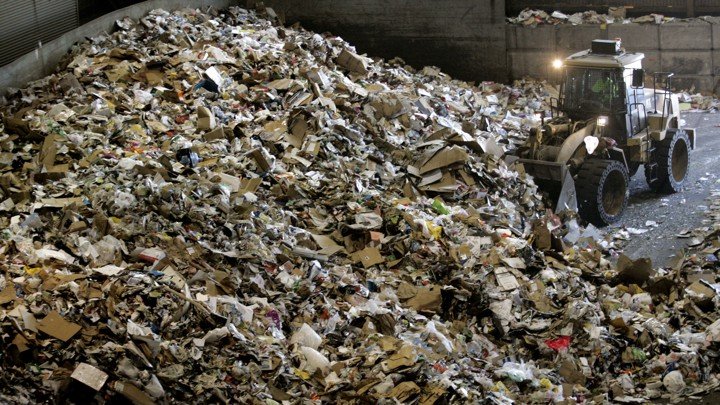
As the trash piles up, American cities are scrambling to figure out what to do with everything they had previously sent to China. But few businesses want it domestically, for one very big reason: Despite all those advertising campaigns, Americans are terrible at recycling.
If we can somehow figure out how to better sort recycling, some U.S. markets for plastics and paper may emerge. But selling it domestically will still be harder than it would be in a place such as China, where a booming manufacturing sector has constant demand for materials. The viability of recycling varies tremendously by locale; San Francisco can recycle its glass back into bottles in six weeks, according to Recology, while many other cities are finding that glass is so heavy and breaks so easily that it is nearly impossible to truck it to a place that will recycle it. Akron, Ohio, is just one of many cities that have ended glass recycling since the China policy changes.
https://www.recology.com/environment-innovation/#resource-recovery
https://sustainability.recology.com/?fbclid=IwAR0FNqt3yAkPkcKOBe6QgehYJTxcJNN53un0du5oBFGe2B0MWIXlQ28Xy-I
We’re in the middle of a recycling crisis. China, the biggest global buyer of recycled paper and plastic is no longer accepting shipments from other countries. So now, we need to ship recycled paper and plastic to factories and mills in more distant locations such as Southeast Asia. And, longer transports create higher costs, that ultimately effects everyone. As large a problem as this is, solutions can come from you, me, and businesses like Recology, the local recycling collection and resource recovery company. Recology is investing millions of dollars in both proven and new technologies while developing new markets to accept recycled materials to keep them from going to landfill, We have no choice. We all have to join in and help preserve our natural resources that provides clean air and water.
https://theweek.com/articles/819488/america-recycling-problem-heres-how-solve