1. A Traveler’s Heart
“Blessed are those whose strength is in you, whose hearts are set on pilgrimage.” — Psalm 84:5
My name is Mark Condy. I don’t claim to have all the answers when it comes to Celtic Christian spirituality, but I have been fascinated by it for many years.
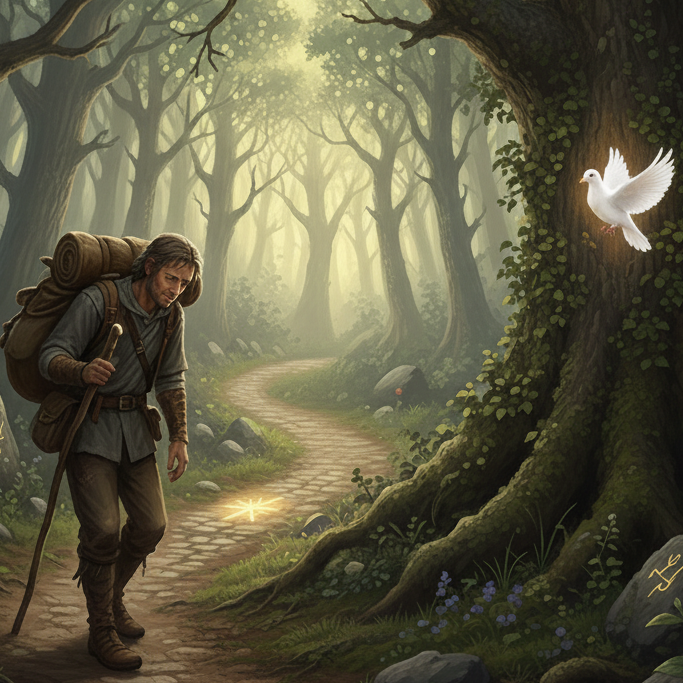
I see myself as a weary traveler on a quest—searching for ancient truths that, once they are rediscovered, can enrich my journey and perhaps the journeys of others who choose to walk with me.
At times I’ve felt lost and alone, but then a small sign appears—a glimmer of hope—that reminds me I am not wandering alone. God is my travel companion. God encourages me with each sign to pay attention to; it is another stepping stone guiding me closer to the destination already prepared for me.
🕊️ Pilgrim’s Prompt:
Where have you noticed “stepping stones” on your path—moments that quietly confirmed you were not walking alone?
The Image was created in Google Gemini from a couple of paragraphs from the above thought
2. The Rhythm of the Journey
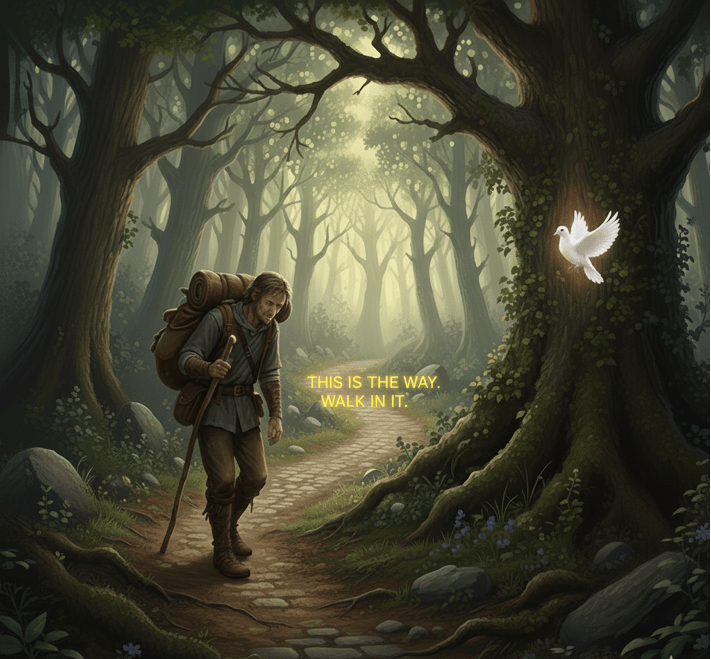
“This is the way; walk in it.” — Isaiah 30:21
Walking itself brings a rhythm—step by step, breath by breath. Listening along the way opens us to the still, small voice of the Holy Spirit, who whispers guidance as we journey.
We may not know our final destination, but we are given signs to assure us we’re moving toward the destined purpose and path the Lord has called us to fulfill.
🕯 Pilgrim’s Prompt:
What does it look like for you to walk “step by step” today—without rushing to the destination?
3. One Step at a Time
“Where there is no vision, the people perish.” — Proverbs 29:18
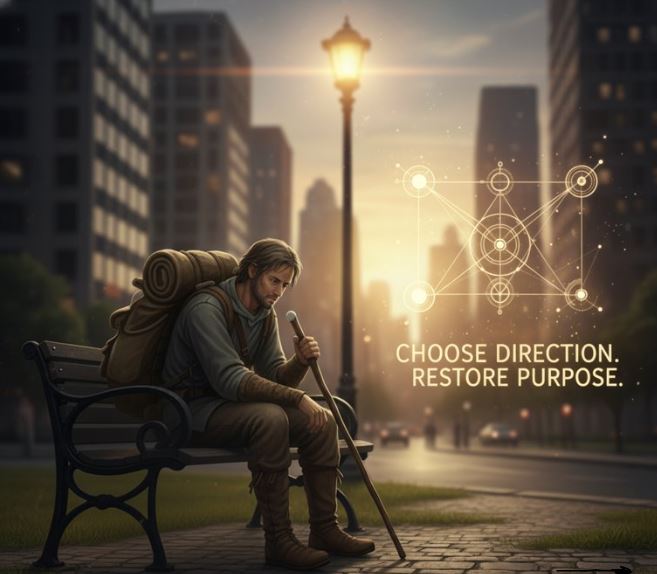
When our lives lose alignment with the divine blueprint, monotony sets in. We can become restless, unsure where to go, tempted to escape.
Pilgrimage invites us to slow down and choose direction again, restoring a sense of purpose and vision.
🕯Pilgrim’s Prompt:
What divine vision once stirred your heart that may have grown quiet or forgotten?
4. Dreaming of More
“I will pour out my Spirit on all people; your sons and daughters will prophesy, your old men will dream dreams.” — Joel 2:28
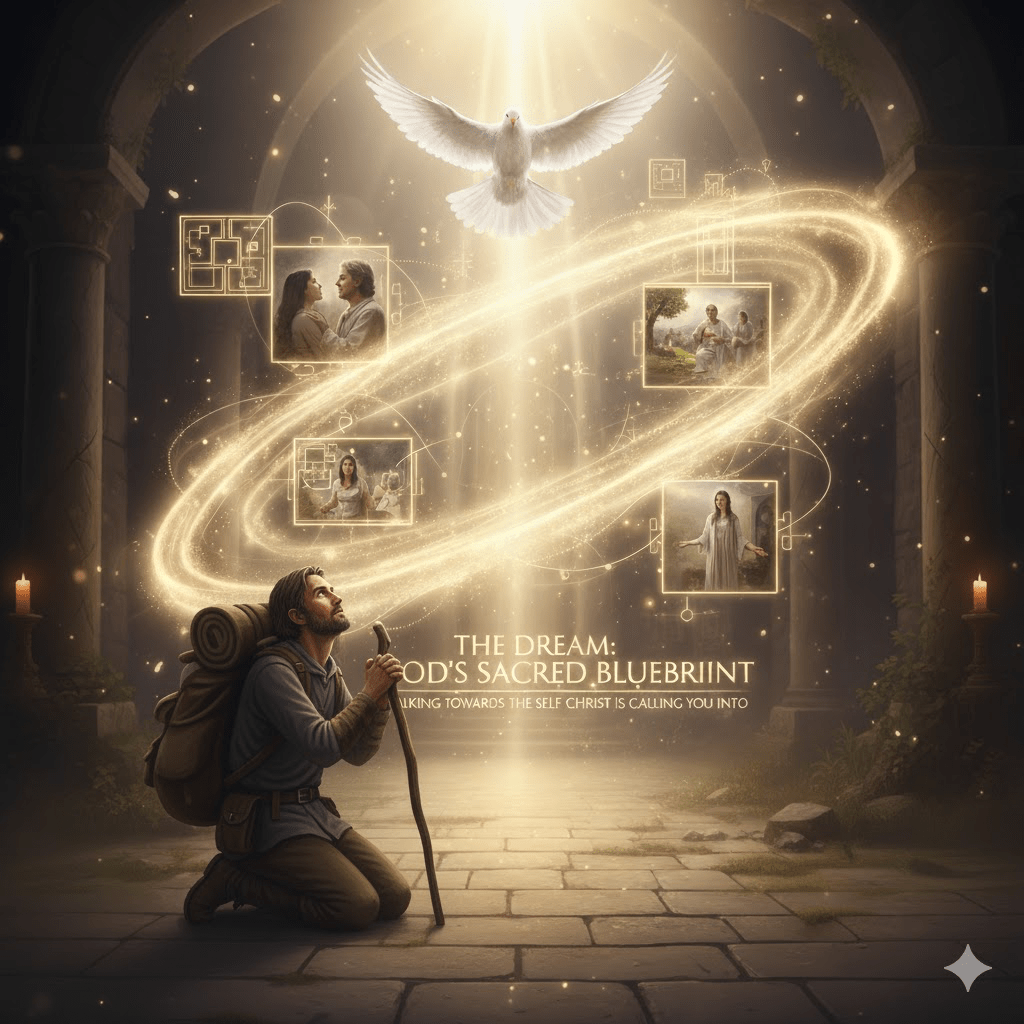
Sometimes my head drifts into the clouds—imagining new possibilities. Yet these dreams keep me alive. They awaken longing and anticipation for what the Lord might still do.
🕯Pilgrim’s Prompt:
What dreams or holy desires has God placed within you that are asking to be awakened?
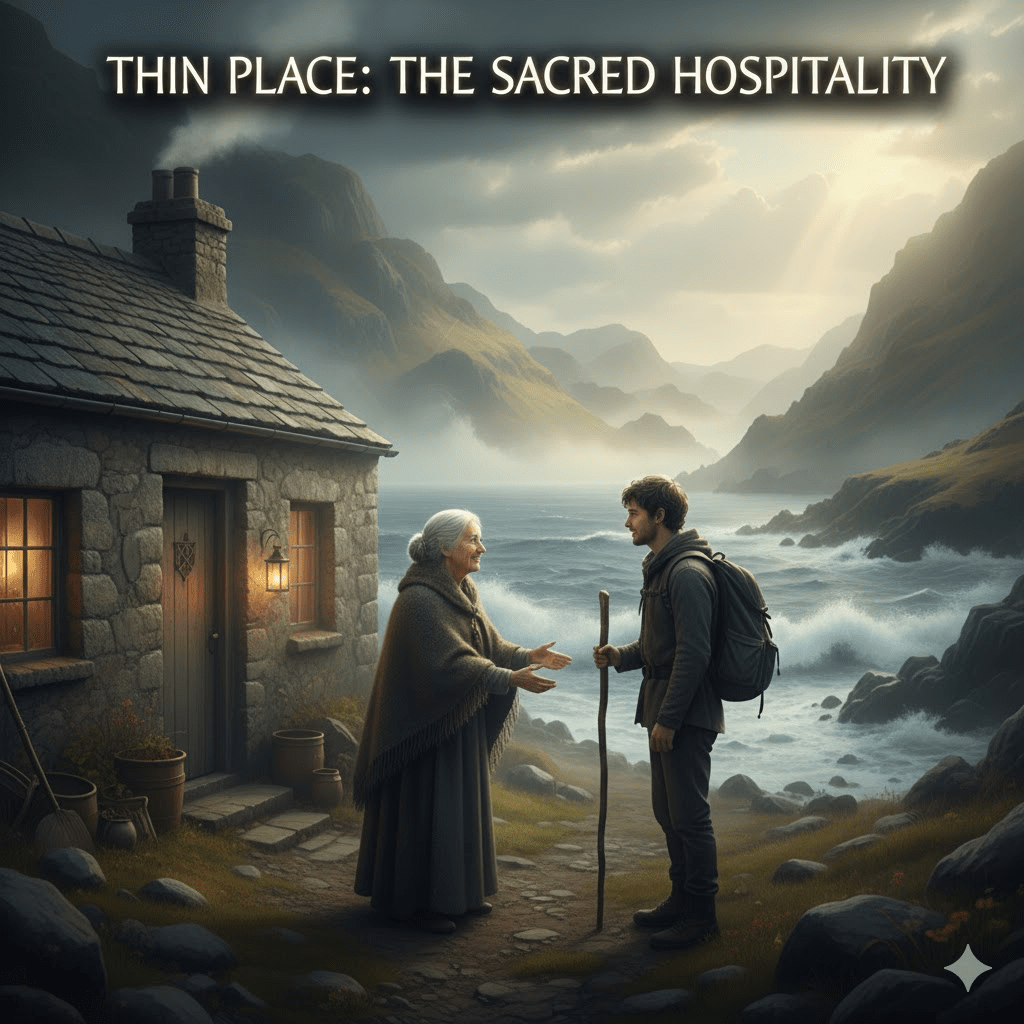
5. The Architect of Life
“In Him we live and move and have our being.” — Acts 17:28
I call Him the Monarch of the Universe—the Architect of Life, the One who spoke creation into being.
Within every heart lies a longing to take a pilgrimage, to find spiritual treasure, to walk the ancient paths, to encounter a “thin place” where heaven and earth nearly touch. These are the places of transformation.
🪶 Pilgrim’s Prompt:
Where might your next “thin place” be—a location or moment where the sacred feels close?
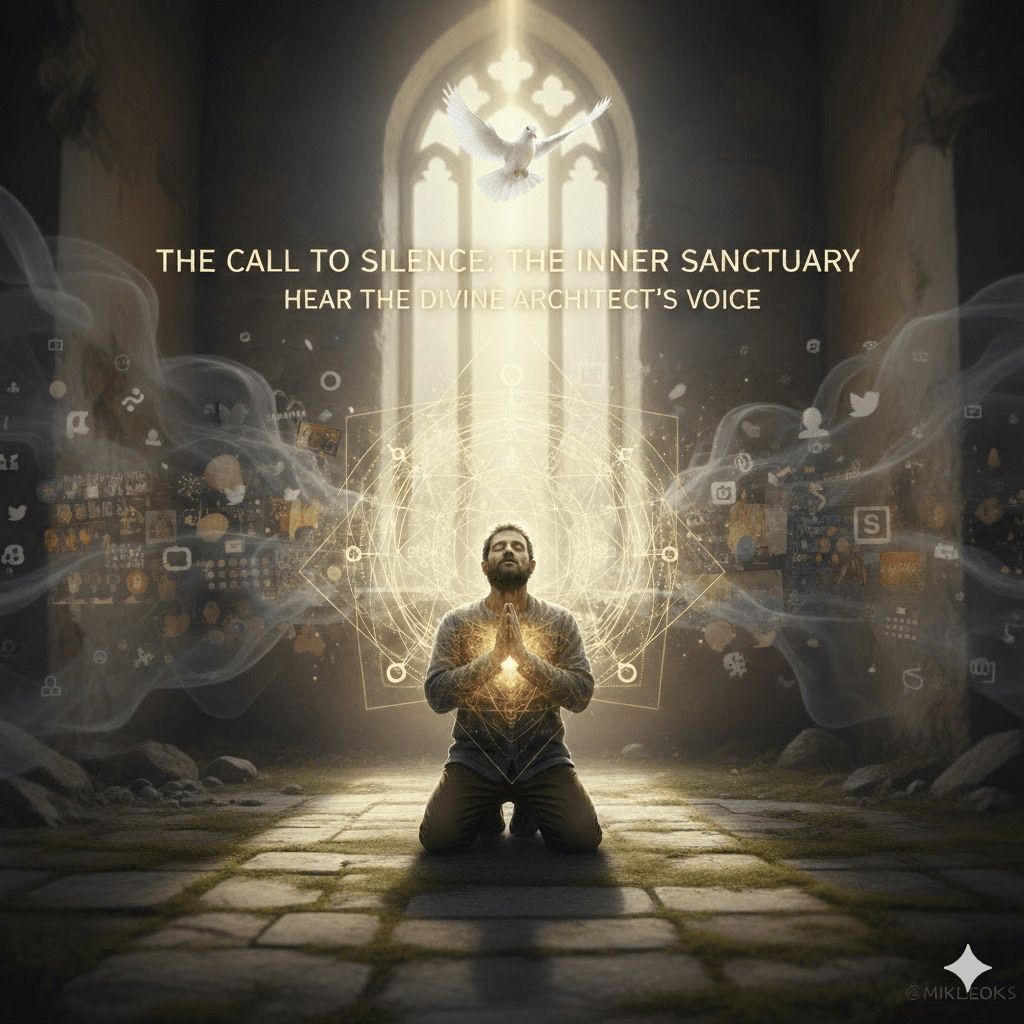
6. The Call to Silence
“But Jesus often withdrew to lonely places and prayed.” — Luke 5:16
Even Jesus stepped away regularly to be with the Father. Pilgrimage is the same—a call to step away from noise and into stillness.
In silence, we dig deep into our souls, seeking the spiritual treasure that brings meaning to life.
🌤 Pilgrim’s Prompt:
When and where can you create space this week to listen for the voice of the Divine?
7. Trusting the Voyage
“Those who go down to the sea in ships… they see the works of the Lord.” — Psalm 107:23–24
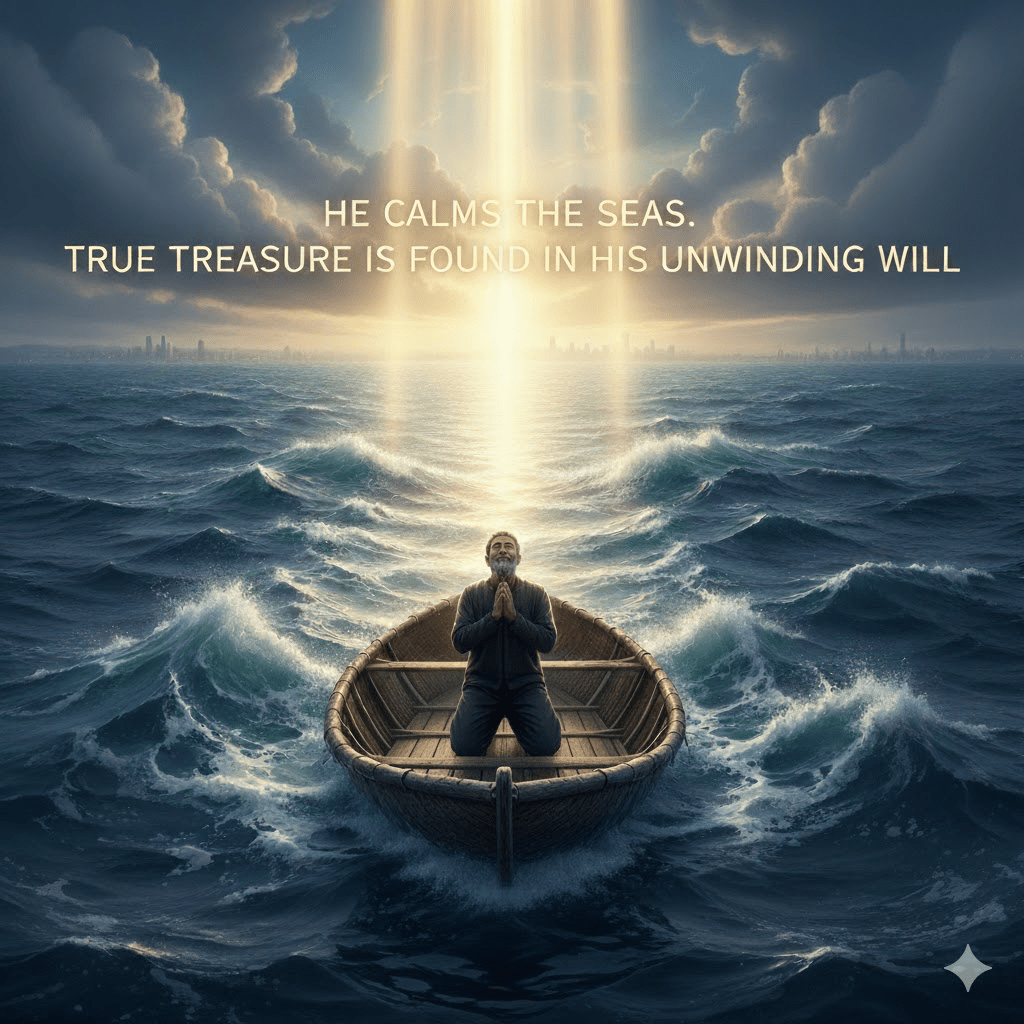
The Celtic saints of old set out in fragile coracles, trusting God to lead them wherever the currents carried.
Our own “coracles” may be prayers, hopes, or dreams set adrift on God’s mercy. We are invited to trust the journey, even when the destination is unknown.
🌊 Pilgrim’s Prompt:
If you built a coracle for your life, what would you release into God’s care today?
8. Companions for the Road
“Two are better than one, because they have a good return for their labor.” — Ecclesiastes 4:9
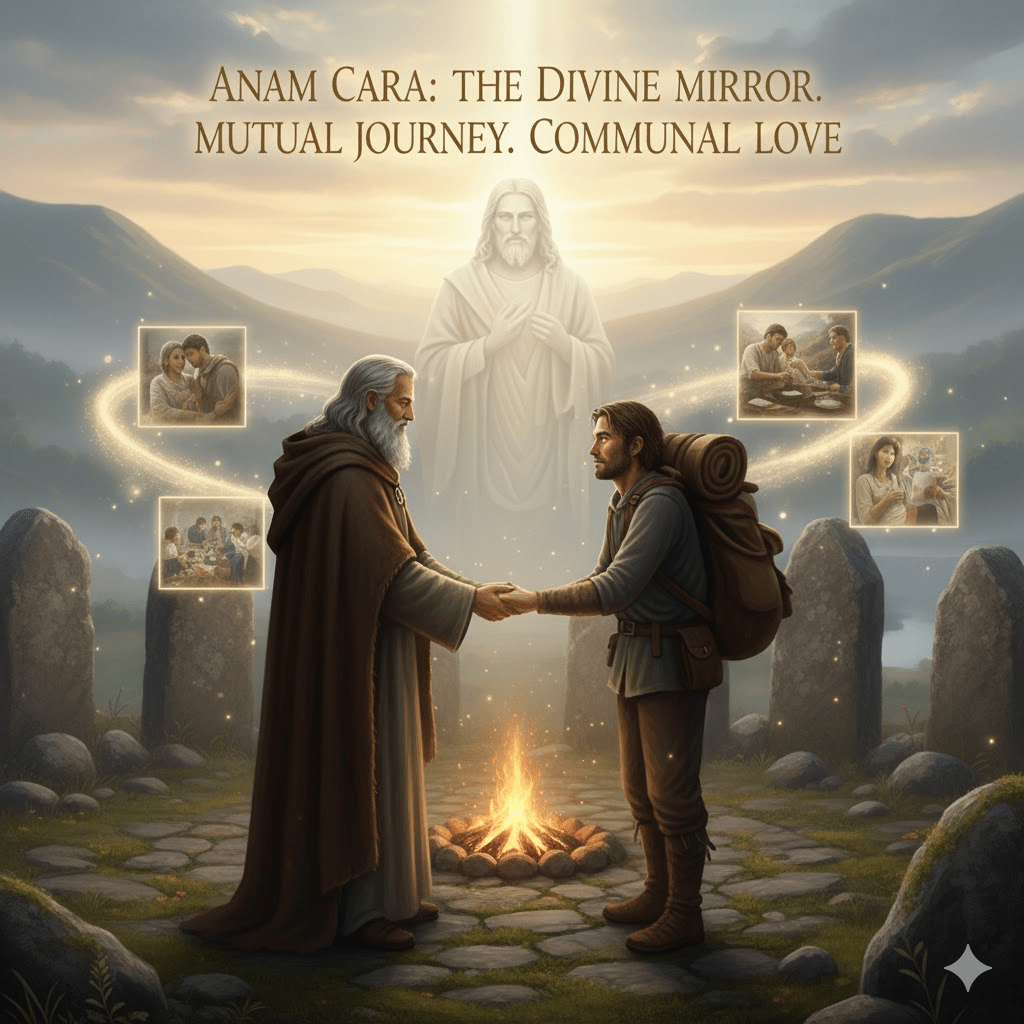
Pilgrimage is richer when shared. My character Tobar, in the story I’m writing, journeys with his Anam Cara—a soul friend. We too need companions who walk beside us through the joys and sorrows of transformation.
🤝 Pilgrim’s Prompt:
Who has been an Anam Cara in your journey? How might you be one for someone else?
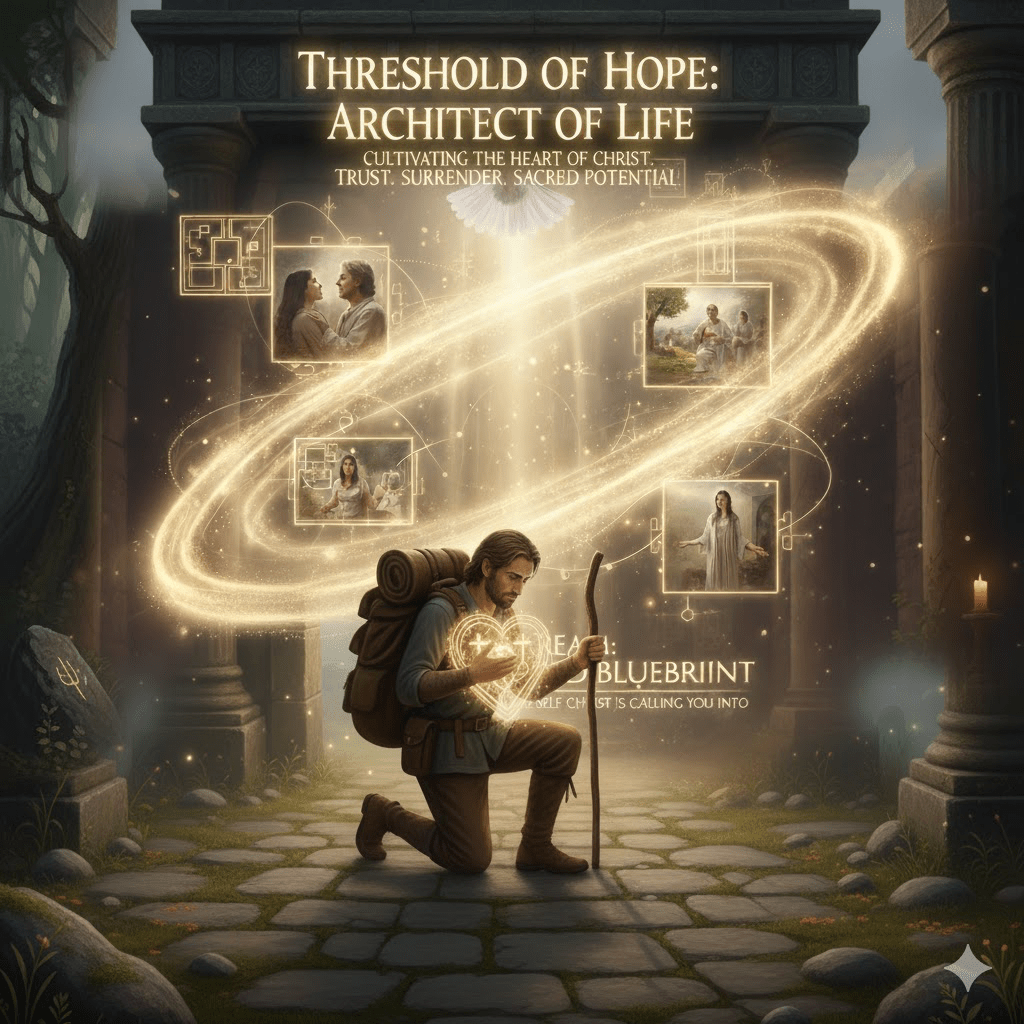
9. The Threshold of Hope
“See, I am doing a new thing! Now it springs up; do you not perceive it?” — Isaiah 43:19
Closed doors and delayed dreams are often not rejection but preparation. The threshold of hope reminds us that transformation takes time.
The pilgrimage is not about arriving quickly—it’s about becoming ready for what awaits.
🪔 Pilgrim’s Prompt:
What “closed door” in your life might actually be an invitation to prepare for something new?
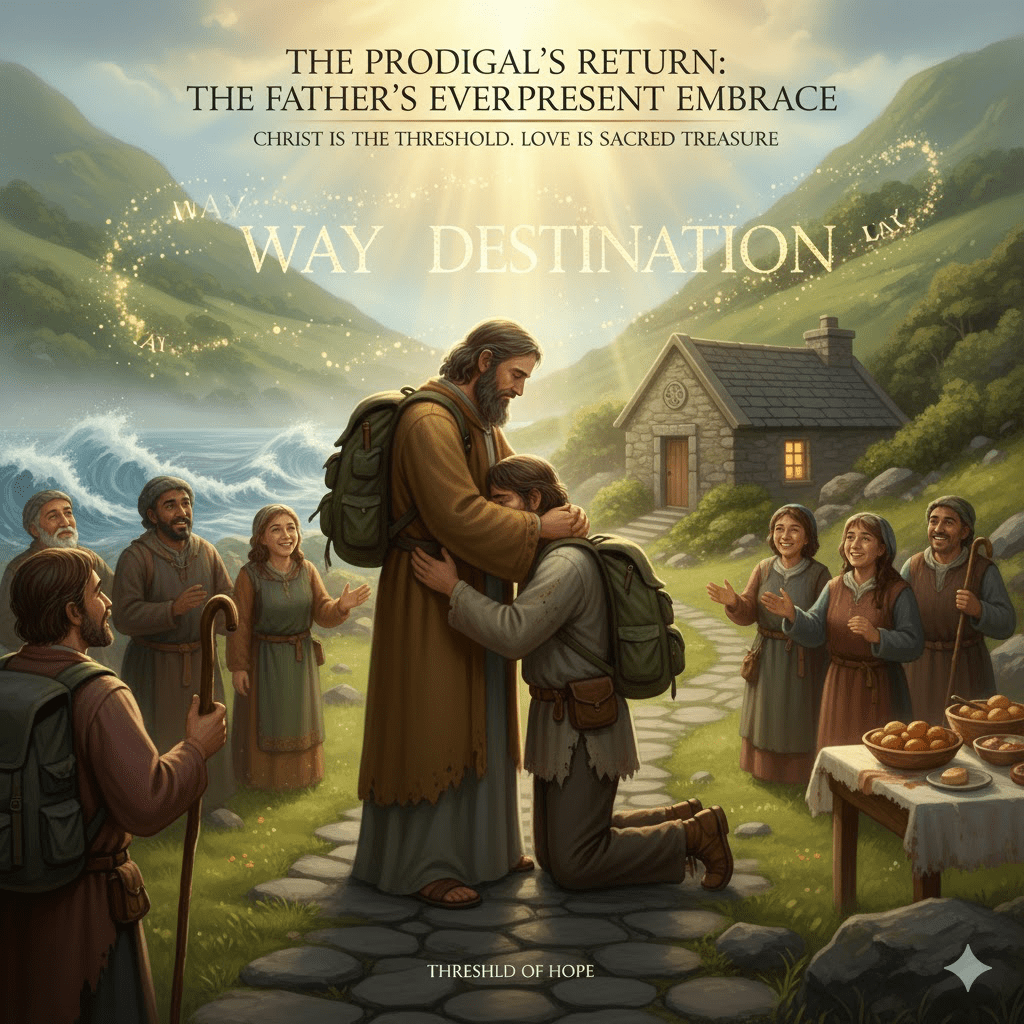
10. Coming Home
“While he was still a long way off, his father saw him and was filled with compassion.” — Luke 15:20
The story of the prodigal son is, in essence, the story of pilgrimage. We leave home searching for meaning, only to discover that home was always in the Father’s embrace.
God waits patiently to welcome us back with love, provision, and joy.
🏡 Pilgrim’s Prompt:
What would it look like for you to “come home” to God in this season of your life?
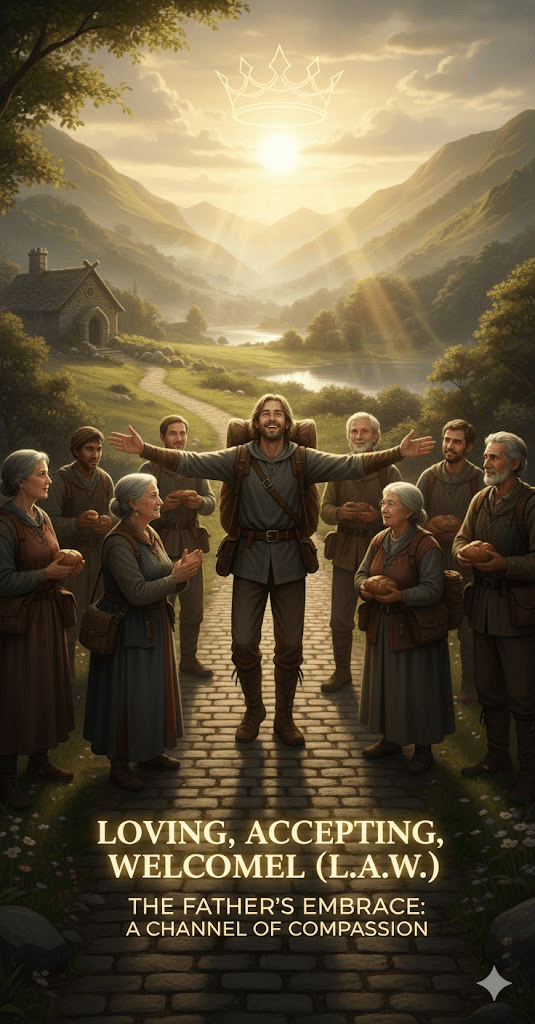
11. Walking in Love
“By this everyone will know that you are my disciples, if you love one another.” — John 13:35
My prayer is that each pilgrim would:
- Trust God more deeply
- See God more clearly
- Love others more dearly
- Believe in God—and in themselves
Let us live out L.A.W. — not as legalism, but as a lifestyle: Loving, Accepting, Welcoming.
💖 Pilgrim’s Prompt:
How might you extend love and welcome to those you meet along your way today?
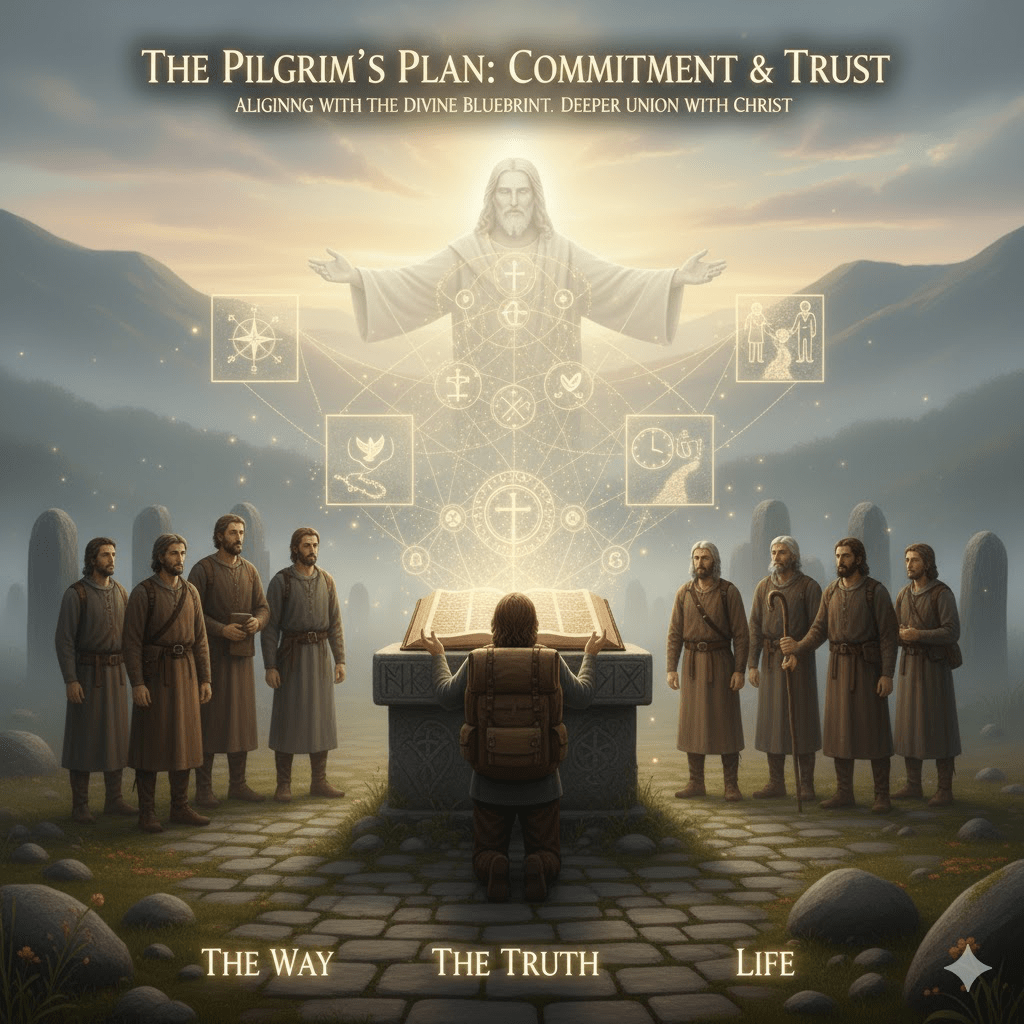
12. The Pilgrim’s Plan
“Commit your way to the Lord; trust in Him, and He will act.” — Psalm 37:5
Every journey begins with intention:
- Where are you going?
- Why are you going there?
- When will you go?
- Who will go with you?
These are the first steps of my own vision to facilitate pilgrimages—both physical and spiritual—where others can join in the journey of discovery.
I will continue to add to this blog as the path unfolds, trusting the Lord for each next step.
🗺 Pilgrim’s Prompt:
What might your next faithful step look like? Write it down, pray over it, and take it.
🌿
Further Exploration
- A Sacred Journey by Lacy Clark Ellman
- Trinitarian Reflections – Joyful Heart
- The Original Text of Mark’s Pilgrim Dream
Other Questions To Ponder
1. Begin with the Inner Journey
Before you choose a destination or pack a bag, ask yourself:
- What am I seeking? (Peace, healing, clarity, deeper intimacy with Christ?)
- What is stirring in my soul that calls me to pilgrimage?
- Am I willing to be changed?
Pilgrimage is a response to a divine invitation. It’s less about where you go and more about how you go—with openness, humility, and a heart ready to encounter God.
2. Choose a Form of Pilgrimage
There are many ways to live as a pilgrim:
- Physical pilgrimage: Traveling to a sacred site (e.g., Iona, Lindisfarne, Santiago de Compostela).
- Everyday pilgrimage: Seeing your daily life as a sacred journey, as Lacy Clark Ellman beautifully puts it.
- Virtual or reflective pilgrimage: Using prayer, scripture, and imagination to journey inwardly.
In Celtic Christianity, the idea of “peregrinatio pro Christo”—wandering for the sake of Christ—reminds us that pilgrimage can be a way of life, not just a one-time event.
3. Prepare Spiritually and Practically
- Prayer and Discernment: Ask God to guide your steps. Use scripture, silence, and spiritual direction if available.
- Simplicity: Travel light—physically and spiritually. What burdens can you lay down?
- Rituals: Consider beginning with a blessing or commissioning. Celtic tradition often includes prayers for the road and blessings for thresholds.
4. Embrace the Journey
- Expect the unexpected: Pilgrimage often includes detours, delays, and discomfort. These are part of the transformation.
- Practice presence: Notice the sacred in the ordinary—God in creation, in strangers, in silence.
- Journal or reflect: Keep track of what you’re learning, feeling, and noticing.
5. Return Changed
- Integration: How will you live differently because of this journey?
- Share your story: Pilgrimage is personal, but it’s also communal. Sharing can bless others.
- Continue the journey: Pilgrimage doesn’t end when you return—it reshapes how you walk through life.
Other reflective practices from the Booklet
The hands-on exercises from the text combine journaling, contemplative art, physical movement, and specific prayer techniques to facilitate the pilgrim’s internal, Christ-centered transformation.
1. Journaling and Inner Reflection
- Journal the Journey (J Icon): Writing down your thoughts, insights, and inspirations, and recording guidance, dreams, and struggles.
- Focused Reflection: Writing down specific words or concepts (like the meaning of “rest and refreshing”) in your journal and reflecting on their personal meaning.
2. Contemplative Art and Doodling
- Cross Folding Exercise: Creating a cross by folding a sheet of paper.
- Doodling/Designing the Cross: Using the folded cross as a “canvas” to doodle within its confinement and designing your own Celtic crosses with knot work.
- Drawing Celtic Symbols: Practicing to draw Celtic knot work and designing the trinity and triskele symbol for meditation.
3. Symbolic Walking and Contemplation
These exercises use movement and place to aid spiritual focus:
- Walk a Labyrinth: Seeking needed contemplation at a local church, shrine, or by walking a labyrinth.
- Local Contemplation (Sacred Rounds): Going on a symbolic walk to find “local Thin Spaces” and visiting a number of holy places in order (sacred rounds).
- Ponder and Meditate (Think Icon): Pausing to ponder and meditate on a passage or thought.
4. Devotional Prayer Techniques (Calm the Storm)
These are direct, rhythmic, and meditative practices to quiet the soul:The hands-on exercises from the text combine journaling, contemplative art, physical movement, and specific prayer techniques to facilitate the pilgrim’s internal, Christ-centered transformation.
1. Journaling and Inner Reflection
- Journal the Journey (J Icon): Writing down your thoughts, insights, and inspirations, and recording guidance, dreams, and struggles.
- Focused Reflection: Writing down specific words or concepts (like the meaning of “rest and refreshing”) in your journal and reflecting on their personal meaning.
2. Contemplative Art and Doodling
- Cross Folding Exercise: Creating a cross by folding a sheet of paper.
- Doodling/Designing the Cross: Using the folded cross as a “canvas” to doodle within its confinement and designing your own Celtic crosses with knot work.
- Drawing Celtic Symbols: Practicing to draw Celtic knot work and designing the trinity and triskele symbol for meditation.
3. Symbolic Walking and Contemplation
These exercises use movement and place to aid spiritual focus:
- Walk a Labyrinth: Seeking needed contemplation at a local church, shrine, or by walking a labyrinth.
- Local Contemplation (Sacred Rounds): Going on a symbolic walk to find “local Thin Spaces” and visiting a number of holy places in order (sacred rounds).
- Ponder and Meditate (Think Icon): Pausing to ponder and meditate on a passage or thought.
4. Devotional Prayer Techniques (Calm the Storm)
These are direct, rhythmic, and meditative practices to quiet the soul:
Stillness and Listening: Practicing withdrawing (like Jesus) to a quiet place to be still, slow down, and listen for the “still small voice” of Jesus to transform and restore order.
Prayer Bead Meditation: Engaging in the rhythmic use of prayer beads
Repeating a word as a tool/Plea: Repetitively saying the prayer, “Calm the storm in me, Jesus” or the full plea, “Calm the storm in me, speak a word”, to achieve a therapeutic and calming effect.


 Mark's Treasury Of Celtic Christian Spirituality